Let's talk about what nobody warns you about
You've been using vibrators for years. They work great. Then one day they stop working quite as great, and you need to crank the intensity higher just to feel anything at all. Welcome to clitoral desensitization. It's not a dysfunction, and it's not permanent. But it does require a different strategy than the one that got you here.
Clitoral desensitization happens when nerve endings get worn down by repetitive, high-intensity stimulation over months or years. Think of it like the way your skin stops feeling the weight of a blanket after a few minutes because the nerves adapt. Except with your clitoris, that adaptation is more stubborn and takes real, intentional work to reverse.
Why this happens and why it matters
Your clitoris has roughly 8,000 nerve endings packed into a tiny area. When you use the same toy at the same intensity night after night, those nerves basically say "okay, we've seen this before" and stop firing as enthusiastically. Your brain needs novelty, variation, and lower thresholds to stay engaged. Without them, you'll find yourself chasing higher speeds and intensities just to hit the same orgasm you used to have easily.
This is fixable. But the fix requires you to do the opposite of what your instinct will tell you: go slower, go gentler, and switch patterns constantly.
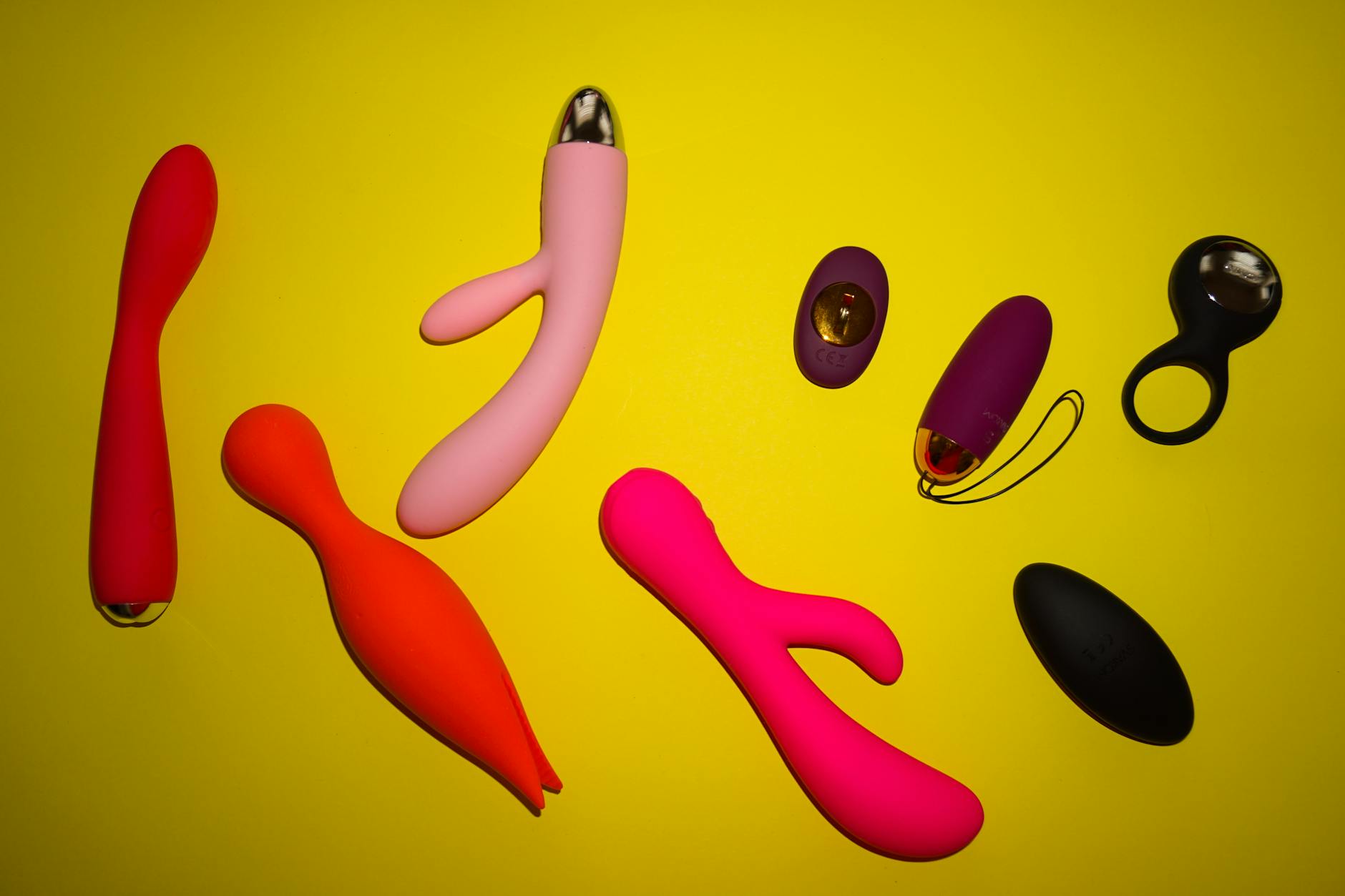
Photo by FounderTips on Pexels
The retraining protocol
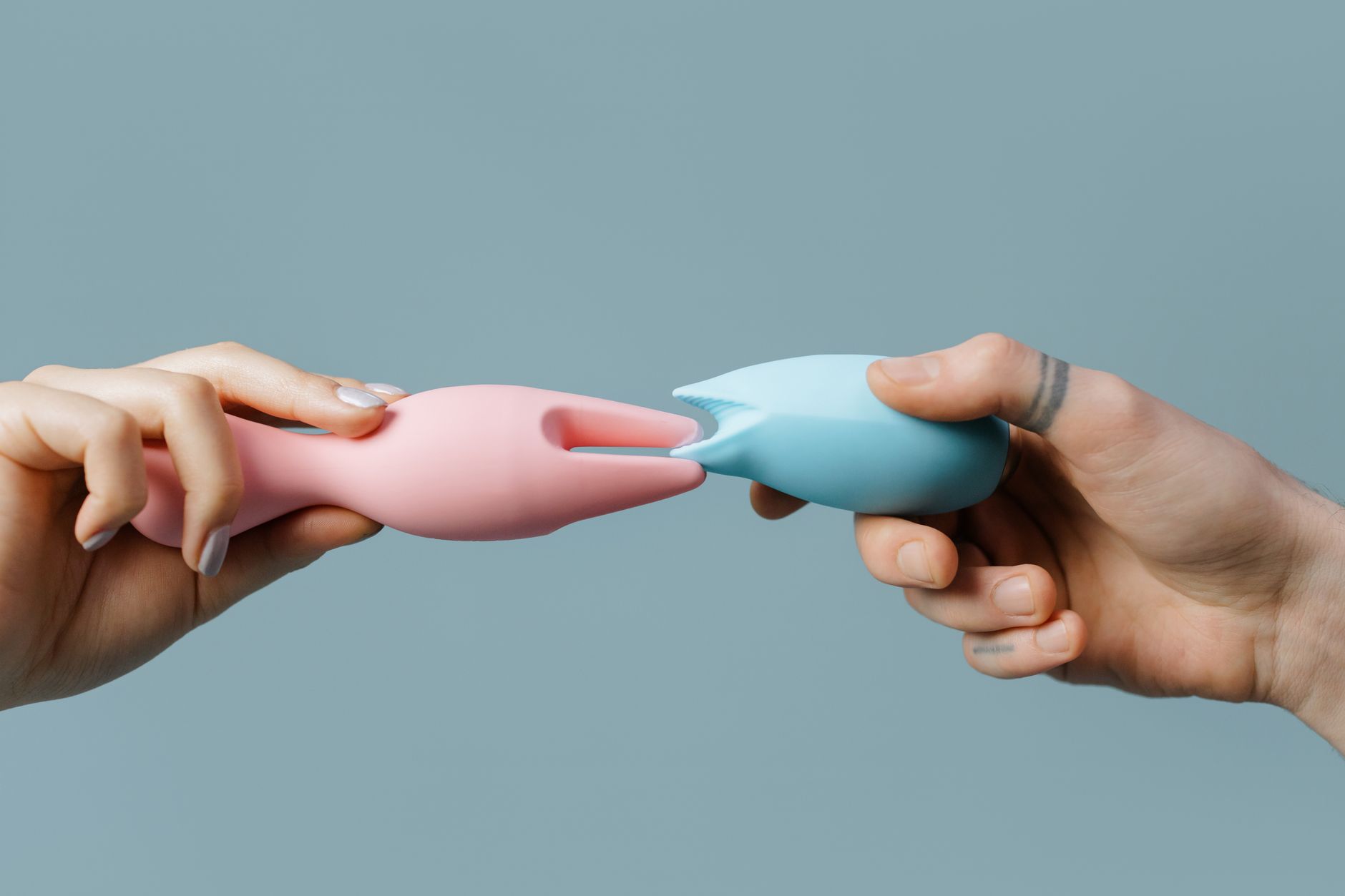
I recommend a three-to-six-week reset period using a lemon vibrator as your primary tool. A clitoral vibrator like the Lem is ideal because it offers multiple patterns at lower intensities than the rockets many people have been using. Here's the structure:
Week one: Patterns only, no intensity chasing.
Start with pattern 1 or 2 on your lemon vibrator. Don't skip to pattern 5 because it feels too light. Light is the point. Spend 15-20 minutes exploring how each pattern feels. Many people find that switching patterns every 30-60 seconds reawakens sensation because the nerve endings perk up in response to novelty.
Week two: Add speed variation, keep intensity low.
Stay on patterns 1-4. Press your lemon vibrator against your clitoris for 10 seconds, pull away for 10 seconds, repeat. This on-off cycling trains your nerves to stay responsive even at rest, which is the opposite of constant overstimulation.
Weeks three through six: Pattern cycling becomes your baseline.
Never stay on a single pattern for more than two minutes. This is crucial. Your goal is to train your nervous system to anticipate change rather than adapt to sameness. Most people report that sensation returns noticeably by week four or five using this rhythm.
The lemon vibrator advantage for recovery
A lemon clitoral vibrator works particularly well for desensitization recovery because of how the suction-based stimulation engages your clitoris differently than traditional vibration. Where a standard vibrator creates high-frequency buzz, a lemon vibrator creates a rhythmic suction pattern that stimulates the whole clitoral head rather than just the surface.
This distributes the workload across more nerve endings, which means you get responsiveness without requiring intense power. Many people find that after two weeks of lemon vibrator use, they can return to other toys with genuinely restored sensitivity. The retraining sticks.
Psychological work that matters just as much
Desensitization is part physical, part psychological. If you've spent months or years chasing higher intensities, your brain has learned to crave that escalation. Breaking that habit requires genuine intention.
Stop watching content that trains you to need intensity. I know that sounds obvious, but most people don't actually do it. Spend a month with minimal visual stimulation or very different content. Pair your lemon vibrator use with being fully present in your body rather than mentally checked out. Some people find that meditation or breathwork before vibrator use helps rewire the nervous system faster.
If you share pleasure with a partner, let them know what you're doing and why. This isn't a personal failure. This is exactly as normal as needing new glasses because your prescription changed. Having that conversation removes shame and invites collaboration.
What to actually do during a session
Set a 25-minute timer. Start with your lemon vibrator on pattern 1 or 2, positioned against your clitoris with medium pressure (not grinding, not floating). At the 5-minute mark, switch patterns. At 10 minutes, switch again. At 15, again. If you feel an orgasm building, let it happen, but don't chase it. The goal isn't orgasm this first month. The goal is sensation return.
Many people find that orgasms actually get more intense once sensitivity returns, because you're starting from a lower baseline and building gradually. That intensity you chased with high-speed vibration? You'll get it back, but it'll feel even better because it's not the only option anymore.
Common obstacles and how to move through them
Your first instinct will be to turn up the intensity when patterns start feeling boring. Don't. Boredom is actually a sign that the retraining is working. Your brain is starting to readjust to lower thresholds, which is exactly what you want. Boredom in week two is healing.
You might also worry that you're broken or that this reset will never work. This shows up as catastrophic thinking: "I've damaged myself permanently." You haven't. Clitoral nerve endings are resilient. The data shows that most people report significant sensation return within four to six weeks of consistent pattern cycling at lower intensities. You're not the exception.
If after four weeks you're not noticing improvement, it's worth considering whether medication, stress, or a deeper relationship pattern is also dampening response. Talk to your doctor or a therapist who specializes in sexual health, because sometimes desensitization isn't just about the vibrator.
When you're ready to reintroduce other stimulation
After four to six weeks of the protocol above, you can start mixing in other toys or techniques. But do it slowly. Maybe one session a week with a different toy, while keeping your lemon vibrator as your primary recovery tool for the other sessions. This prevents backsliding into the old pattern of needing maximum intensity.
Many people find that once they've retrained their clitoral sensitivity, they actually prefer the variety. You're not locked into maximum-speed vibration anymore because you have genuine sensation at multiple levels. That's freedom.
FAQ: Clitoral Desensitization and Recovery
How long does it take to recover clitoral sensitivity?
Most people report noticeable improvement within three to four weeks of consistent pattern cycling at lower intensities. Complete restoration can take six to eight weeks. Every body is different, but the consistency of using varied patterns matters more than the specific duration.
Can I use numbing creams or desensitizing products to help recovery?
No. Numbing the area will delay recovery, not accelerate it. The whole point is to retrain nerve sensitivity, not mask it. Stick with the pattern-cycling approach and allow your nervous system to recalibrate naturally.
What if my partner doesn't understand why I'm not using vibrators at high intensity right now?
This is worth a direct conversation. Explain that your clitoris is basically adapted to maximum stimulation the way an ear adapts to constant loud noise. You're retraining it to be responsive at all levels again. Most partners understand when it's framed as a recovery process, not a rejection. If they don't, that's a different conversation worth having with a therapist.
Is it normal to have weak or missing orgasms during the reset period?
Yes. Some people experience fewer or less intense orgasms during the first two to three weeks of the protocol. This is temporary and actually a sign the retraining is working. Your nervous system is recalibrating. Orgasm intensity typically returns and often exceeds what it was before once full sensitivity is restored.
Can I still have partnered sex during this recovery period?
Absolutely. The reset applies specifically to your personal vibrator use. Partnered sex, fingering, oral sex, and other forms of stimulation don't interfere with the retraining. In fact, varied stimulation from a partner can accelerate recovery because it introduces novelty your clitoris hasn't adapted to.
Do I need to use a lemon vibrator specifically, or will any low-intensity vibrator work?
A lemon vibrator works particularly well because suction-based stimulation engages clitoral tissue differently than traditional vibration, but any toy with true pattern variation and adjustable intensity can work. The key is the pattern cycling and intensity control, not the specific toy. That said, many people find that a lemon clitoral vibrator's design naturally supports the gentle, varied approach recovery requires.
What comes next
You're not broken. You've just hit an adaptation ceiling that your body is telling you about in the most direct way possible. Listen to that signal. Take six weeks to retrain your clitoris using lower intensities and constant pattern variation. Use a lemon vibrator as your primary tool because the suction mechanism offers that variation naturally. Then slowly reintroduce variety without defaulting back to maximum intensity.
Your clitoris will thank you. So will your orgasms. And honestly, so will your relationship with pleasure generally. Because recovery like this teaches you that sensitivity isn't about more power. It's about paying attention.
If you're struggling with this process or if sensitivity isn't returning after six weeks, reach out and let's talk through what's happening. Sometimes desensitization masks something else entirely, and that's worth exploring with support.