When your body suddenly wakes up
Let's be real. One day you're coasting through intimacy on autopilot, and the next your libido comes roaring back like someone flipped a switch you didn't even know existed. Maybe it was stopping a medication. Maybe your hormones shifted. Maybe you just turned a corner emotionally. Whatever triggered it, you're here now, wanting sex in a way you haven't in months or years, and you're not entirely sure what to do with that energy.
This is not a problem. It's actually one of the best kinds of problems to have. But it does require a little navigation, especially if you're partnered, and especially if your partner hasn't been expecting this shift.
Why hormonal changes spike desire
Your libido doesn't live in a vacuum. It's wired directly to your hormones. When estrogen rises, testosterone gets more accessible, or progesterone drops, your brain gets flooded with signals that make sex feel urgent and interesting again. If you've been on hormonal birth control that dampened desire, switching methods can absolutely reignite it. If you're coming off antidepressants that numbed sensation, the awakening can feel almost shocking. If you're cycling back into a higher-estrogen phase of your cycle or life stage, your body is doing exactly what it's supposed to do.
The weird part isn't that your libido spiked. It's that suddenly you want something you weren't actively missing. That can feel disorienting in a long-term relationship, where sex might have become a checkbox or something you do to keep your partner happy. Now you want it for you.
The first thing to do: explore solo first
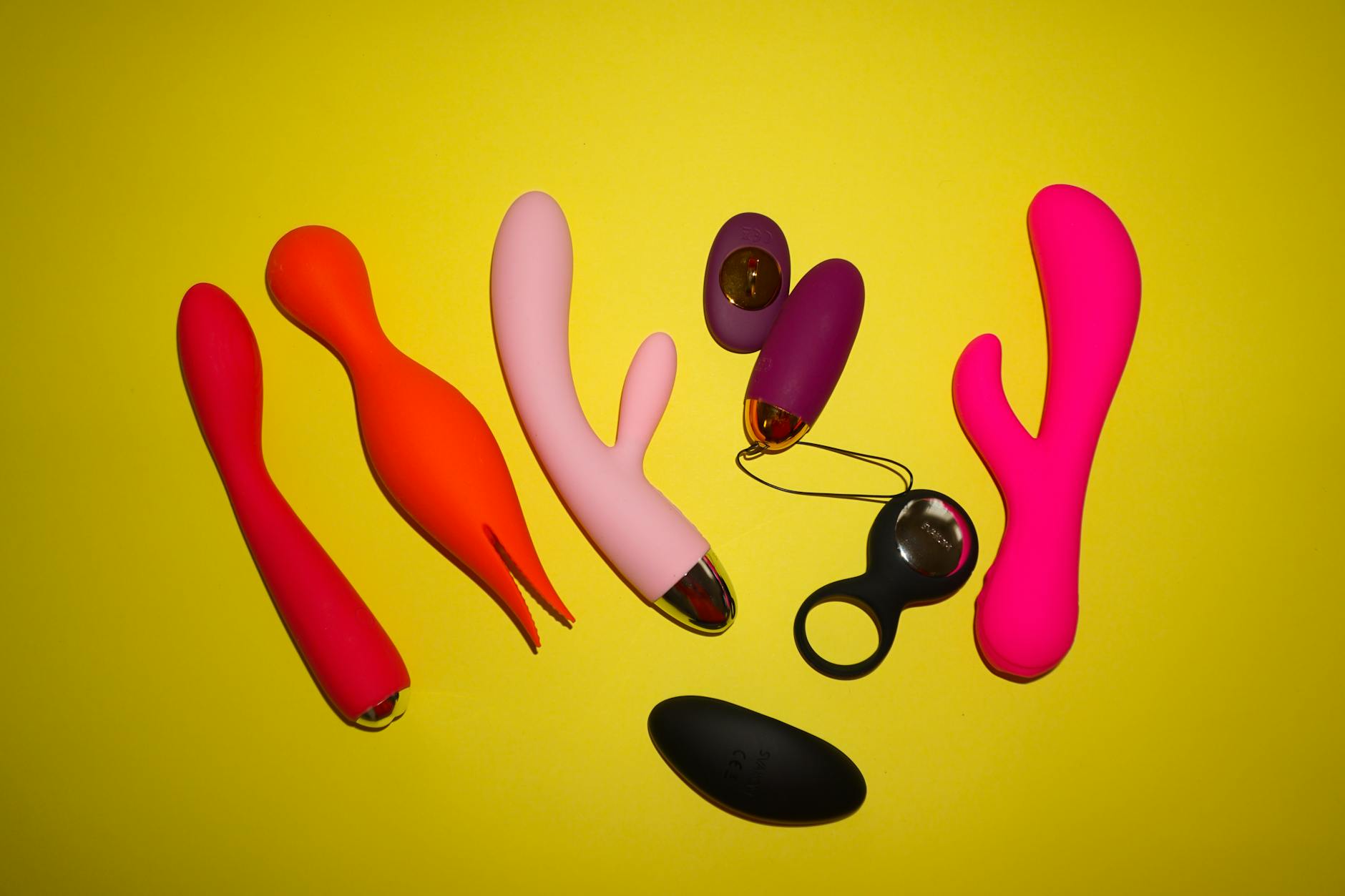
Before you pivot toward partnered sex or make any big announcements, spend time with yourself. This is where a lemon vibrator becomes your best friend. Not because you need anyone's permission to feel good, but because solo exploration gives you crucial information about what this new desire actually feels like.
Start with pattern 1 or 2 on a lemon clitoral vibrator. You're not chasing intensity yet. You're getting to know your own arousal again. Does it build fast or slow? Does the suction feel more or less intense than you remember? What rhythm makes your body respond? Solo sessions are where you find those answers without any pressure to perform or consider someone else's experience.
A lot of people skip this step because they're eager to share the news with a partner. Don't. The more you understand your own body first, the better you can communicate what you want later. You'll know whether you need longer foreplay, specific patterns, or particular kinds of touch. You'll know if intensity is actually what you crave or if it's the novelty of wanting sex at all.
How your timing might have changed
When libido shifts, the rhythm of desire often shifts too. Maybe you used to need 20 minutes of foreplay and now you're ready in 5. Maybe it's the opposite. Maybe you want sex at a different time of day than you used to. Maybe you're suddenly interested in things you weren't before, or vice versa.
This matters because it can feel jarring to a partner who's learned your rhythm over years. They might interpret faster arousal as a sign you're bored with them. They might feel rejected if you want sex at a different time. They might assume the shift means something about them or your relationship, when really it's just your body recalibrating.
Notice these timing changes when you're exploring solo. Write them down if it helps. The goal is to walk into a conversation with your partner not as a complaint but as data.
Talking to your partner about the shift
Honestly though, this conversation matters more than the sex itself. Here's what doesn't work: ambushing your partner with new sexual energy and expecting them to automatically understand that this isn't about them failing you before, it's about you coming alive now.
Instead, try this framework. Pick a moment that's not sexual or tense. Say something like, "My body's been shifting lately, and I want you to know what's happening." Explain the hormonal or medical context if there is one. Say, "I'm feeling desire in a way I haven't in a while, and I'm exploring what that means for me. I wanted you to hear it from me." Then listen to their response without defending yourself.
Your partner might feel relieved. They might feel insecure. They might feel pressure to suddenly perform differently. All of those reactions are valid. The conversation isn't about convincing them to immediately match your energy. It's about transparency.
After that conversation, you can gradually integrate your newfound libido into partnered sex. You might ask for specific things. "Can we try starting with just clitoral touch for a while?" Or, "I want to spend more time on foreplay." Or even, "Sometimes I want to use my lemon vibrator solo while you're here but not actively involved."
Finding the right tool for your new desire
A lemon vibrator is specifically designed for clitoral stimulation, which is where most of the intensity lives anyway. The suction pattern of a good clitoral vibrator like the Lem mirrors the kind of rhythm many bodies crave during this surge of desire. Unlike traditional vibrators that rely on pure buzzing intensity, suction toys distribute stimulation across a wider nerve network, which means you get pleasure without numbing.
Start lower. Pattern 1 on a lemon clitoral vibrator is not weak. It's calibrated. As you explore, you'll find your actual sweet spot, which might not be the highest setting. A lot of people assume they want maximum intensity when what they actually want is sustained, building pressure.
Use water-based lubricant every time, even if you don't think you need it. Your arousal might be high, but thinner tissue benefits from glide. A lemon sucker toy glides better with lube, and the combination feels richer than either alone.
What to expect in your first partnered sessions
When you bring your newfound desire into the bedroom with a partner, manage expectations on both sides. You might have a jaw-dropping orgasm. You might feel a little self-conscious. You might discover that wanting sex and enjoying sex are different things when someone else is involved. All of that is normal.
If you're using a clitoral vibrator with a partner present, you have options. You can use it solo while they focus on other kinds of touch. You can use it while they penetrate. You can use it as foreplay while they watch. None of these is better than the others. It depends on what feels good to your body and what you both feel comfortable with.
One thing I tell couples: the vibrator isn't a replacement for your partner. It's a tool that lets your body access sensation more reliably. Framing it that way removes a lot of the defensive energy.
Managing mismatched timelines with a partner
Here's what happens sometimes. One person's libido surges, and the other partner feels left behind or pressured. If your partner hasn't experienced the same hormonal shift, they might still need longer to get aroused, or they might not want sex as frequently as you suddenly do.
This is where solo play becomes really valuable in a relationship. If you want sex three times a week and your partner wants once, you can meet in the middle with partnered sex plus solo sessions with your lemon vibrator on the nights you need release but they don't. That's not a compromise that feels like losing. That's a framework that works for both of you.
The emotional part people don't talk about
Sometimes a libido surge comes with complicated feelings. If you were numb for a long time, waking up sexually can feel joyful. It can also feel angry. Angry that you lost that time. Angry that you settled for less pleasure than you deserved. Angry that you didn't know your body was capable of this all along.
Let that be okay. Pleasure and anger aren't mutually exclusive. You can want sex fiercely and also be processing grief about the years you didn't. A good therapist can help you sort that out, especially if your partner is in the picture and confused about why waking up your libido doesn't feel like pure celebration.
Key things to remember
Your desire matters now, even if it didn't matter five minutes ago. The shift is real, it's not your imagination, and it's not selfish to want to explore it. Start with solo exploration using a lemon vibrator so you understand your own body before you involve anyone else. Talk to your partner early and often, not defensively but as a form of intimacy. Expect your arousal patterns to be different than they were before. Use tools like a clitoral vibrator that help your body access pleasure reliably. And remember that this surge might not last forever, and that's okay too. For now, it's here, and it's worth exploring thoughtfully.
If you're unsure how your partner might react, or if the conversation feels too big to navigate alone, that's what a couples counselor is for. This shift in desire is a moment to deepen connection, not a crisis. It just needs a little runway.
People also ask
Can a sudden libido surge be a sign of something medical?
Yes. Changes in hormonal birth control, stopping antidepressants, thyroid adjustments, menstrual cycle shifts, and perimenopause can all spike desire. Some people also experience libido surges related to stress relief or relationship improvements. If the shift is dramatic and accompanied by other changes (sleep, mood, energy), it's worth checking in with a doctor. Usually though, it's just your body recalibrating. A lemon clitoral vibrator is a safe way to explore while you figure it out.
How do I tell my partner without making it sound like criticism?
Frame it as discovery, not complaint. Say, "My body's been changing, and I'm feeling attracted to you in a new way." Avoid comparisons like, "I want sex more now than with you before." Instead, emphasize the shift is internal. "I'm exploring what I want sexually, and I'd love to explore it with you," is different from, "You haven't been satisfying me," even if the underlying feeling is similar. The vibrator can help you demonstrate what you want, which is often clearer than words.
Is it normal to want solo time with a vibrator even though my partner is available?
Completely normal. Solo exploration keeps you connected to your own pleasure, independent of your partner. It also means you're not relying on your partner to hit a desire target every time you want sex. Using a lemon vibrator solo sometimes doesn't mean your relationship is failing. It means you're taking responsibility for your own orgasm, which is actually a healthy relationship skill. Many couples find that solo vibrator time strengthens partnered sex because there's less pressure on both sides.
Can I use a lemon vibrator if I'm on hormonal birth control?
Absolutely. In fact, some people find that adding a clitoral vibrator helps counteract any desire dampening from their birth control. If you're on a hormonal method that's been numbing sensation, a lemon sucker like the Lem can help you reconnect with pleasure while you figure out if you want to switch methods. Talk to your doctor if you're considering changing birth control, but the vibrator itself is safe to use alongside any contraception.
What if my partner feels threatened by the vibrator?
This is the conversation to have outside the bedroom, when you're both calm. Explain that the vibrator isn't competition. It's a tool that lets your body access sensation your partner's touch alone might not. Lots of couples integrate vibrators into partnered play specifically for this reason. If your partner remains uncomfortable, couples counseling can help you both understand the fear and find a path forward. Sometimes it's about reassurance. Sometimes it's about working through deeper insecurity. Either way, it's worth exploring.
How long does a libido surge usually last?
It depends on the trigger. If it's hormonal, it might spike and then settle into a new baseline. If it's medication-related, the change might be permanent once your body adjusts. If it's emotional or relational, it might fluctuate based on what's happening in your life. The goal isn't to make it last forever. It's to enjoy it while it's here and build sustainable patterns with your partner that work whether your libido is surging or resting.
What comes next
Your libido surge is information. It's telling you something about your body, your needs, and what pleasure can feel like when the conditions are right. A lemon clitoral vibrator is just a tool to help you listen to that message. The real work is honoring it, communicating about it, and integrating it into your relationship in a way that feels good for everyone involved.
If you're navigating this shift and feeling lost, or if you're unsure how to talk to your partner, reach out. Sometimes a conversation with someone outside the relationship helps clarify what you actually want versus what you think you should want.