
When sex becomes routine, presence disappears
I work with couples who describe the same thing: sex still happens, but it stopped meaning anything. The body goes through the motions while the mind is somewhere else. You're both present but profoundly alone.
This isn't about desire, orgasm capacity, or technique. It's about attention. When we stop looking at our partners during sex, we stop feeling connected to them. And when connection dies, physical touch becomes just another thing you do, like brushing your teeth.
The disconnection pattern
Here's what I see in my therapy practice: couples get comfortable with their routine. Sex becomes predictable, which should feel safe but instead feels empty. One or both partners mentally check out. They might be thinking about work, replaying an argument, worrying about something they forgot to do. The body is there. The mind left town.
The irony is that this often happens in long-term relationships with otherwise solid emotional foundations. You love each other. You're just not present with each other in bed. And the longer that goes on, the harder it becomes to reverse. After months or years of autopilot sex, the idea of being truly vulnerable and attentive with your partner feels foreign, even threatening.
Why a lemon clitoral vibrator changes the dynamic
A clitoral vibrator like the Lem isn't solving a pleasure problem here. It's solving an attention problem.
When one partner is using a lemon sucker during sex, both people have to stay present to what's happening. You can't zone out. You're watching each other's face, reading responses, adjusting rhythm or intensity based on what you see. That feedback loop forces intimacy. You're communicating without words. You're paying attention.
The suction pattern of a lemon vibrator also lengthens foreplay naturally. You're not rushing to a finish line. You're building something together. That rhythm creates space for reconnection.
The practical setup
Start with this conversation, not with the toy itself. Tell your partner something like: "I miss feeling close to you during sex. I want to try something that might help us be more present with each other." Not: "Our sex is boring and I need this toy to fix it." The first opens a door. The second triggers defensiveness.
Choose a time when you're both relatively relaxed and not exhausted. Not after an argument. Not when one of you is mentally prepping for work. Evening or weekend morning when you have actual space to breathe.
Start with plenty of foreplay before introducing the lemon clitoral vibrator. This isn't a shortcut. You're building arousal the old-fashioned way first, which means prolonged eye contact, touch, conversation. Get genuinely aroused together before anything vibrates.
Using the vibrator to rebuild presence
When you introduce the adult toy, the partner using it should be the one directing the other's attention. Say things like "Watch what happens when I adjust the pattern" or "Come closer, I want to see your face." This creates an active conversation instead of passive performance.
The partner who isn't actively using the lemon vibrator should be touching, watching, responding. They're not relegated to observer status. They're an active part of creating sensation and feedback. Maybe they're kissing your neck while you use the device. Maybe they're changing the rhythm based on your breathing. Maybe they're asking what you're feeling.
This is the opposite of hiding or performing. It's the opposite of checking out. It's radically vulnerable attention.
What happens when vulnerability returns
I've watched couples rediscover each other using exactly this approach. The first time feels awkward because presence requires courage. You can't hide in autopilot. You can't pretend to be okay when you're not. You have to actually be there.
But something shifts after that first vulnerable session. Both partners realize they don't have to perform anymore. The pressure lifts. Sex becomes a place where you're actually known instead of a place where you're being evaluated or judged.
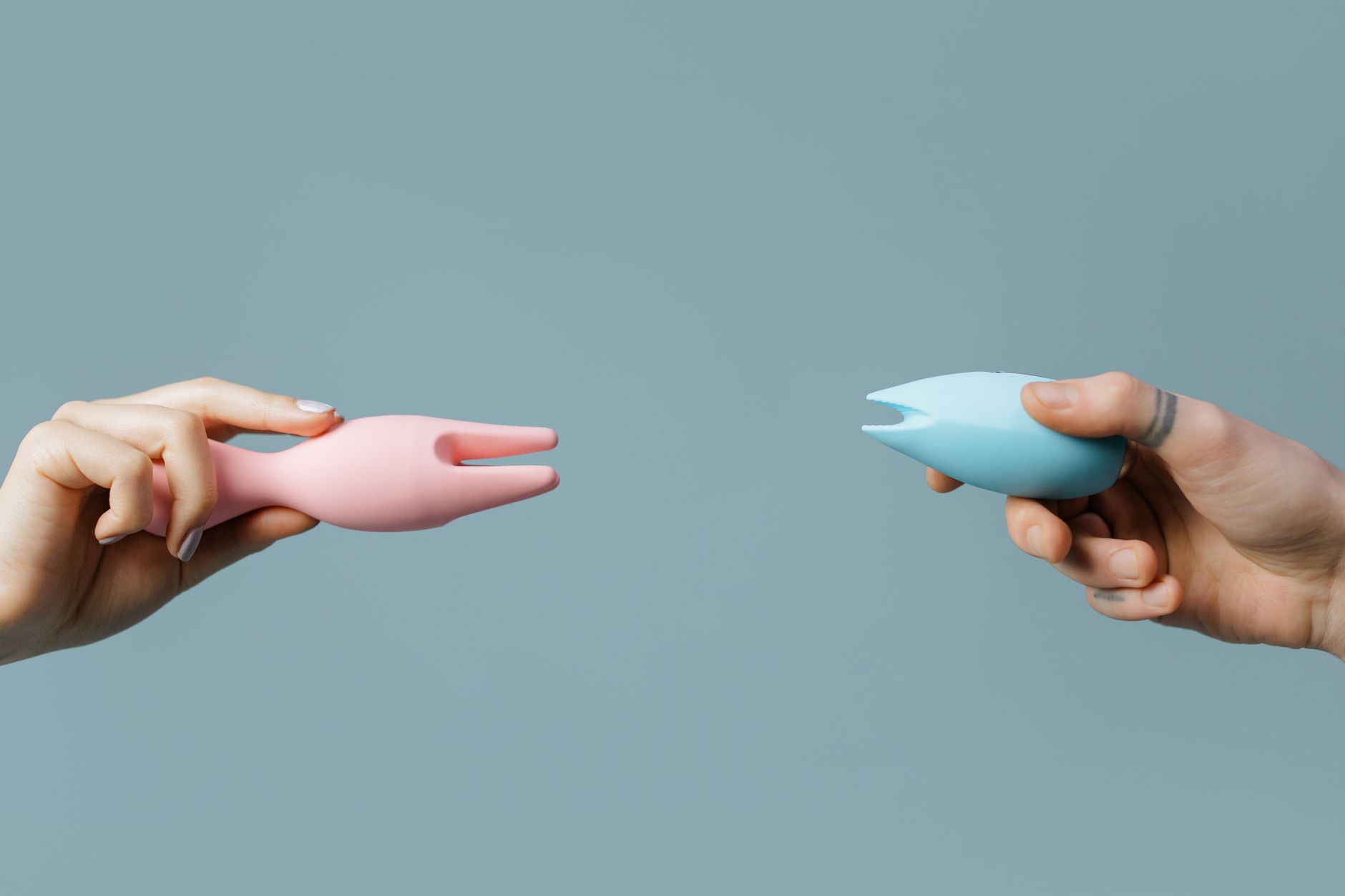
Photo by cottonbro studio on Pexels
Addressing the resistance
One partner often resists introducing toys into partnered sex because they feel like a criticism. "Does this mean I'm not enough?" Or: "Are they not satisfied with me?" These feelings are legitimate and they need to be addressed directly.
What helps: frame the lemon vibrator not as a replacement but as collaboration. You're not trying to feel something without them. You're inviting them into a shared experience. The device isn't the point. The attention is.
Sometimes the partner who feels insecure benefits from holding the device themselves, controlling it while their partner watches. That reversal often dissolves the "I'm not enough" narrative because they feel the immediate feedback and presence from their partner. Suddenly they understand: this isn't about replacing them. It's about connecting through something new.
When disconnection runs deeper
If sex is disconnected because trust has eroded, or because there's unresolved conflict, the Lem won't fix that. A toy can rebuild presence but it can't rebuild safety. If one partner has been unfaithful, or if you're harboring resentment about something major, you need to address that first. A lemon sexual toy is a tool for couples who fundamentally care about each other but have lost the habit of presence. It's not a marriage repair kit.
If you're in that situation, consider talking to a therapist or counselor before introducing toys. Sometimes presence requires clearing the room of old hurt first.
The rhythm that comes after
What I see with couples who successfully rebuild connection through devices like the Lem is that they stop needing it as a crux. The vibrator becomes optional, not essential. They've remembered how to be present with each other, so sometimes they use it and sometimes they don't. The point was never the orgasm. The point was remembering that sex is a place where two people actually show up.
That presence carries over. You start making eye contact in regular conversation. You stop reaching for your phone as often. You ask questions and listen to answers. The bedroom becomes a practice ground for intimacy that extends everywhere else.
Moving forward
Start small. One conversation. One vulnerable session. Don't expect everything to change overnight. Presence is a habit that you build, not a switch you flip. But the moment you remember what it feels like to actually be with your partner instead of just next to them, everything becomes possible again.
Frequently Asked Questions
What if my partner refuses to try using a vibrator with me?
Respect that boundary. But ask what's underneath it. Fear of inadequacy is different from a hard no based on religious or personal values. Understanding the reason helps you know if this is something to explore differently later, or something to accept. If they're open to alternatives, you could try other forms of increased presence during sex: specific eye contact, talking during sex, or simply removing distractions like phones from the bedroom.
Can using a lemon clitoral vibrator actually fix a broken relationship?
No. A toy can rebuild presence in a relationship with a solid foundation that's just lost connection. But if there's infidelity, ongoing deception, emotional abuse, or a complete absence of care from one partner, a vibrator won't heal that. You'd need couples therapy or possibly relationship reassessment. Nancy Lem Shop products are for people who want to show up differently together, not for people trying to paper over fundamental incompatibility.
How often should we use a lemon vibrator together if we're trying to reconnect?
There's no magic number. Some couples benefit from weekly exploration while rebuilding presence. Others do it once a month. The frequency matters less than the intentionality. What matters is that when you do use it, you're both actually there. Once a month of genuine presence beats four times a month of going through the motions.
My partner likes watching more than participating. Is that okay?
Completely okay. Not every person needs to hold the device to be present. Some people feel more connected and engaged watching their partner's pleasure unfold. As long as both of you are communicating, making eye contact, and maintaining that sense of shared experience, the specific configuration doesn't matter. The presence is what counts.
Does using toys during partnered sex mean we're losing connection with each other?
It's the opposite. You're building connection through vulnerability and shared exploration. But if either of you feels like the toy is becoming a wall between you, that's worth talking about. The vibrator should create conversation and feedback, not replace it. If you're using it and feeling more alone, something's off. That's feedback that needs addressing.
What if we try this and nothing changes?
Then disconnection might be about something else entirely. Unresolved resentment, work stress, depression, medication side effects, or simply growing apart can all kill intimacy regardless of what tools you introduce. If presence and vulnerability during sex don't help, that's a sign you might benefit from professional support. A couples therapist can help you get to the root of the disconnection in ways that tools alone can't.
If you're ready to explore reconnection with your partner, starting with an honest conversation matters more than any product. Tell them what you've been feeling. Ask what they've been feeling. Listen without defending. From there, you'll know whether a tool like the Lem makes sense, or whether something else is needed first. Either way, showing up with that much honesty is where real intimacy begins.
Have questions about how to navigate this transition with your partner? Get in touch. We're here to help.