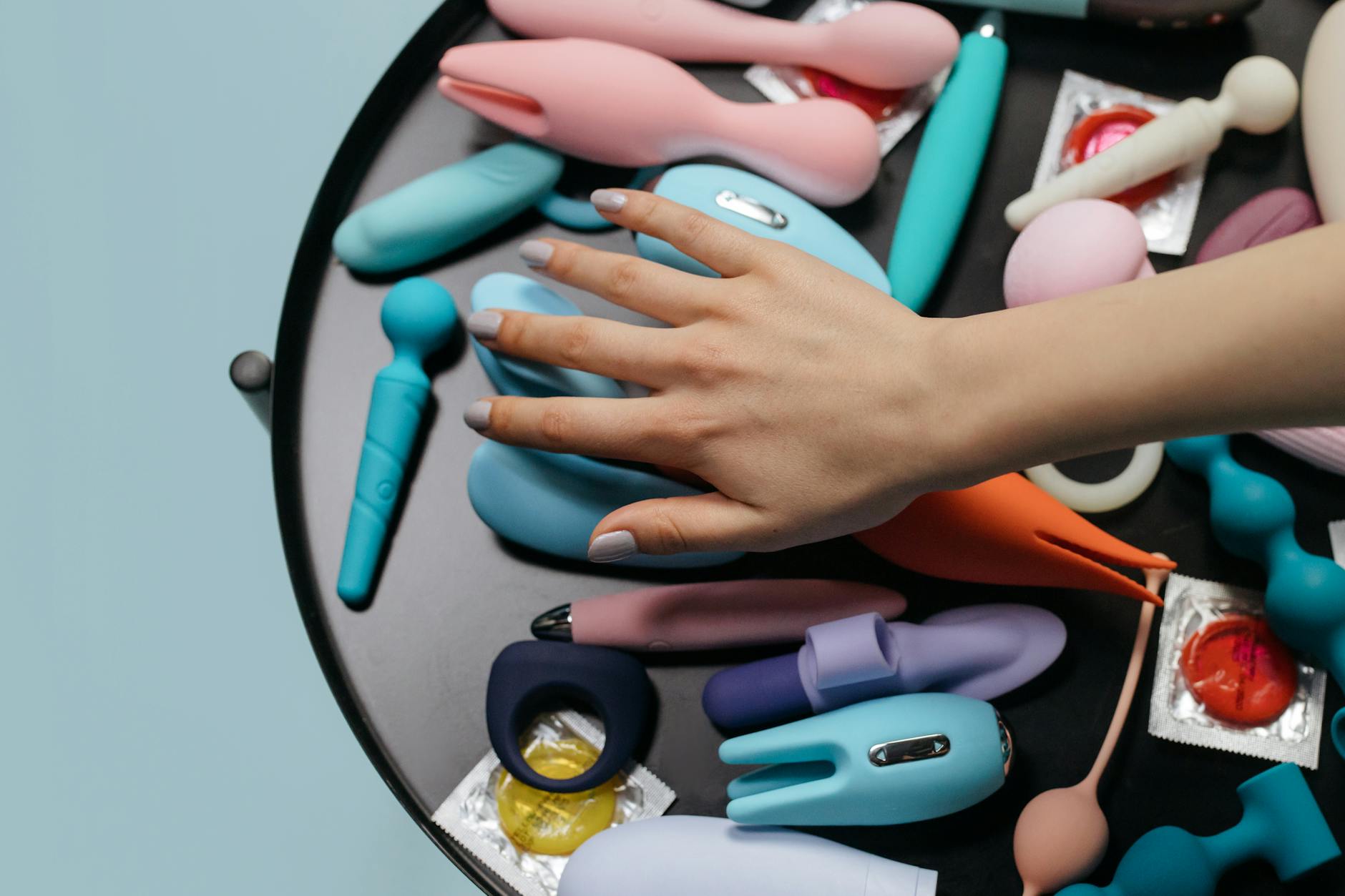
Let's talk about starting over
Sexual pleasure doesn't have an off-switch, but life sometimes flips it for you. Whether it's recovery from surgery, illness, medication changes, or emotional trauma, there's a moment when you realize: I want that back. And that moment can feel fragile, uncertain, or even guilt-ridden. Here's what I want you to know first: rebuilding pleasure after a health setback is not weakness. It's actually one of the most important forms of self-care you can do.
The body has memory. So does the nervous system. When we experience pain, illness, or fear around sex, those experiences get stored in your nervous system as protective patterns. Your body isn't broken. It's being cautious. The work isn't to force pleasure back; it's to slowly, consistently tell your nervous system that pleasure is safe again.
Why the lemon vibrator works for this specific journey
A lemon clitoral vibrator is different from other devices because it uses suction and rhythmic pulsation instead of direct vibration. This matters hugely for people rebuilding after health setbacks. Here's why.
When you're recovering, you likely have sensitivity concerns. Maybe intercourse still feels risky. Maybe penetration triggers anxiety. Maybe your tissues are still healing. Direct vibration can feel overwhelming or even painful. Suction creates a gentler seal of stimulation—it's focused without being aggressive, rhythmic without being constant. The Lem vibrator, for example, lets you start at the gentlest intensity and build from there. You're not locked into one sensation.
The second reason is psychological. A device designed specifically for clitoral pleasure—not as an afterthought to a larger toy—sends a signal to your brain: this is about me. Not about partnering, not about performance, not about anyone else's timeline. Just you and your own pleasure. That psychological permission is often the most powerful part of recovery.
The nervous system first, sensation second
Before you even pick up a lemon vibrator, understand what's actually happening. Your nervous system went into protective mode. That's not a flaw; that's survival. But it means that jumping back into pleasure the way you remember it won't work. Your system needs to be told, gradually and repeatedly, that it's safe.
Start with touch that has nothing to do with sex. Hold your own hand for a minute. Feel warm water in the shower. Notice textures—silk, cotton, your own skin. This sounds ridiculously simple, but it's retraining your nervous system to associate touch with safety, not threat.
Then move to non-genital touch. Massage your thighs. Touch your breasts. Pay attention to what feels good without any goal attached. This is crucial: there is no endpoint. You're not working toward an orgasm. You're just noticing sensation.
Only after a week or two of this should you introduce the lemon vibrator into your self-touch practice. And even then, not directly on the clitoris. Start by holding it nearby—let the gentle vibration register without direct contact. Many people find that just feeling the device nearby for a few minutes, fully clothed, helps their nervous system recalibrate.
The first actual session—what to expect
Pick a time when you're not rushed, not stressed, and when you have full privacy. Genuinely private. No part of your brain should be half-listening for interruptions.
Start with your body relaxed. A warm bath beforehand helps. Some people need silence; others need music. You know what anchors you. Use that.
When you pick up the lemon vibrator, start at intensity level 1 or 2. This is not about building to orgasm. It's about noticing: does this feel okay? This is information gathering. If it feels uncomfortable, stop. If it feels interesting but weird, stay with it for 30 seconds. If it feels good, you can stay longer.
Many people find that in that first session, all they do is hold the device, notice the sensation, and stop after 5-10 minutes. That's a complete success. Your nervous system just received the message: touch can be safe and pleasurable. That's everything.
Building a pattern over time
Recovery isn't linear, and pleasure-rebuilding won't be either. Some days you'll want the vibrator. Some days the thought of it will feel like pressure, and you'll skip it. Both are fine.
But consistency matters for nervous system retraining. Aim for 2-3 times per week, not necessarily toward orgasm. You're creating a pattern. Here's the structure I recommend:
Week 1-2: Light touch, low intensity (levels 1-2), 5-10 minutes, fully clothed or with your external genitalia covered. Goal: familiarization.
Week 3-4: Increase to 10-15 minutes. You can introduce direct clitoral contact if it feels good, but keep intensity at 2-3. Goal: gentle sensation-building.
Week 5-6: If everything feels steady, you can experiment with slightly higher intensities (3-4) or longer sessions. But only if your nervous system feels ready. If you feel resistant, stay where you are. Slow is sustainable. Fast creates setbacks.
Throughout this, notice what's changing. Maybe orgasm returns by week 4. Maybe it takes 12 weeks. Maybe it returns differently than before. All of this is normal. Your body isn't on your timeline; you're on its timeline.
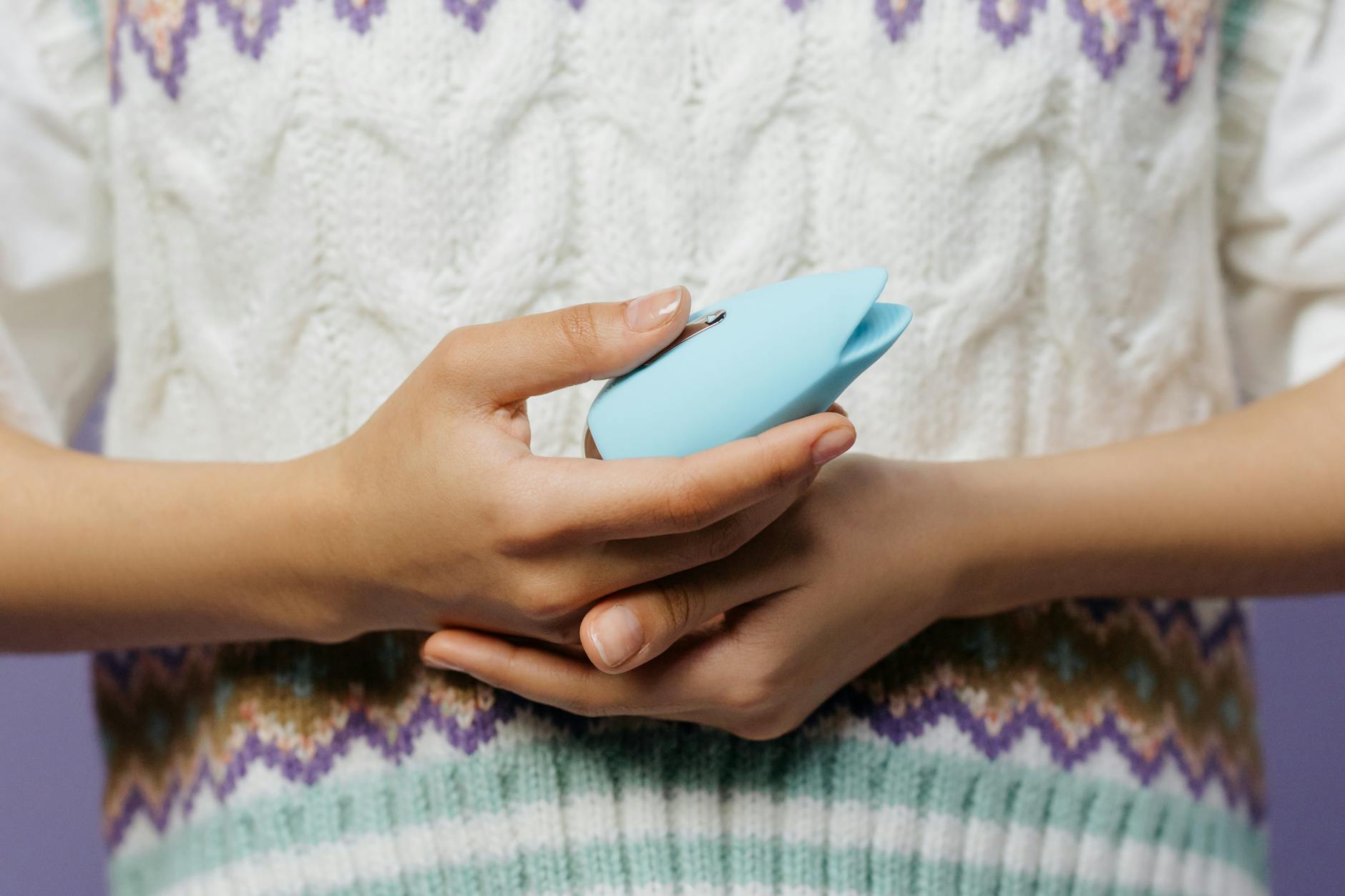
Photo by cottonbro studio on Pexels
The difference between sensation and pressure
One of the biggest mistakes I see in recovery is confusing sensation-building with goal-oriented sex. You're not trying to orgasm. You're not trying to prove you're fixed. You're gathering information about what feels good to you right now, in this body, at this moment in your healing.
This is why the lemon vibrator is particularly helpful for people returning after health setbacks. Unlike a wand vibrator or a rabbit, the lem's suction-based design gives you control over intensity and rhythm. You're not beholden to one sensation. You can pulse it on and off. You can move it around your clitoris rather than pressing directly. You can find what works for this version of your body without judgment.
If at any point it feels like pressure—like you should be enjoying this or you should be farther along in recovery—stop. Talk to yourself the way you'd talk to a friend. You're not broken. You're healing. Those are two different timelines.
When to bring a partner in (if you want to)
If you're in a relationship, the question of when to reintroduce partnered pleasure comes up. The honest answer: not until you've rebuilt solo pleasure first. And even then, when you and your partner have different arousal patterns, communication becomes even more essential.
If and when you want your partner involved, here's the framework. Show them the lemon vibrator. Explain what you've been doing—alone, at your own pace, with no pressure. Let them understand that this is about your healing, not about them. Then decide together if they're present during your solo sessions (some people find this helpful; others don't), or if you keep that private and they're involved in other ways.
The lem vibrator can also be used during partnered foreplay once you're ready. But that's a separate conversation. First, you own the pleasure. Then, if you want, you can share it.
Common obstacles and how to move through them
Numbness or lack of sensation. If the lemon vibrator doesn't feel like much at first, that's okay. Sensation often returns slowly. Keep using it at low intensities; don't jump to level 5 thinking you need more stimulation. Your nervous system needs time to wake up the nerve endings. It will.
Guilt or shame. If you feel bad for taking time on pleasure, especially solo, recognize that this is protective. Your mind is trying to keep you small. But pleasure is part of healing. It's not selfish; it's medicine.
Anxiety during use. If you start a session and anxiety bubbles up, pause. This is your nervous system still processing. You can acknowledge the anxiety without letting it derail your practice. "I notice anxiety. I'm safe. I'll continue." Some days, just noticing is enough.
Impatience with recovery. Healing takes time. Pleasure-rebuilding takes time. You didn't lose it overnight; you won't get it back overnight. Three to six months is a realistic timeline for meaningful recovery. Some people report changes within weeks; others take longer. Both are normal.
When you might need additional support
If you have a history of sexual trauma, a trauma-informed therapist can be invaluable alongside your self-pleasure practice. If the health setback was medical, your doctor can clarify whether there are any restrictions you should know about. If you're dealing with medication side effects (like those from antidepressants), talk to your prescriber about timing or alternatives.
Pleasure isn't frivolous. It's part of your nervous system's recovery. You deserve support in reclaiming it.
The bigger picture
Returning to pleasure after a health setback is about more than getting back what you lost. It's about reclaiming your body as your own. It's about teaching your nervous system that you're safe. It's about remembering that pleasure matters, that you matter, and that rebuilding takes time and patience.
The lemon vibrator is just a tool. But it's a tool designed for precision, for gentleness, for control. Use it that way. Go slowly. Listen to your body. And remember: healing isn't linear, and neither is pleasure. You'll get there at your own pace.
People also ask
How long does it usually take to rebuild sexual sensation after a health setback?
There's no fixed timeline, but most people notice meaningful changes within 4-8 weeks of consistent, low-pressure practice. Some experience shifts within days; others need 3-6 months. Healing depends on what caused the setback, your overall health, medication, stress levels, and your nervous system's pace. The key is consistency without pressure. If you're checking progress every day, you're not giving your body the quiet space it needs to heal. Trust the process more than the timeline.
Is it normal to feel anxious when I use a clitoral vibrator after trauma?
Completely. Your nervous system learned that sexual sensation was associated with pain or danger. It's protecting you by triggering anxiety when you reapproach pleasure. This is not a sign you're doing something wrong; it's a sign your nervous system is activated. You can continue practicing with awareness of the anxiety—observe it like a thought passing through, rather than a truth about the situation. Over time, as you repeatedly experience gentle pleasure without pain, the nervous system updates its understanding. If anxiety remains intense, a trauma-informed therapist can help.
Should I try to orgasm during recovery or just focus on sensation?
Focus on sensation. Orgasm as a goal creates pressure, and pressure undermines nervous system healing. When you practice with a lemon vibrator, the goal is simply to notice what feels good and safe. If an orgasm happens, great. If it doesn't, that's also information—not failure. Many people find that when they stop chasing orgasm and just enjoy the sensation, orgasms return naturally. The paradox: letting go of the goal often brings it back faster than pursuing it.
Can I use a lemon vibrator if I'm still experiencing pain during sexual touch?
Not yet. Pain is your nervous system's way of saying "stop." If there's still pain, the first step is a conversation with your doctor or a pelvic health specialist. They can identify whether the pain is mechanical (tissue healing) or neurological (nervous system protective response). If you have pelvic floor dysfunction, that's a separate issue with specific approaches. Once pain is cleared or managed, then you can safely introduce the vibrator.
What if I don't feel ready emotionally even though I'm physically healed?
Trust that. Emotional readiness and physical healing don't always align. You might be cleared by your doctor but not feel safe returning to pleasure. That's legitimate. You can practice the non-genital touch and nervous system work I described, moving toward pleasure at whatever pace feels right to you. Consider talking with a therapist about the emotional blocks. Pleasure is something you deserve, and your mind and body will align when the conditions are right.
Can a partner use a lemon vibrator on me during recovery?
Yes, but I'd recommend practicing alone first. Solo practice gives you control, which is crucial during recovery. You learn your own pace and your own signals without anyone else's expectations in the room. Once you've done that work, a partner can be involved if you both want it. The advantage: they can learn from watching or listening to how you use the vibrator, and they'll understand your boundaries and preferences. The key is explicit communication beforehand.
Final thoughts
Your body remembers trauma, illness, and pain. It also remembers healing. Using a lemon vibrator during recovery is an act of reclamation—you're telling your nervous system that pleasure is possible again, that safety and sensation can coexist, and that you're worth the time it takes to get there. Go slow. Be patient with yourself. Your pleasure is waiting on the other side of this.
Sources
Gottman, J. M., & Schwartz Gottman, J. (2019). Eight dates: Essential conversations for a lifetime of connection. Workman Publishing.
Van der Kolk, B. (2014). The body keeps the score: Brain, mind, and body in the healing of trauma. Viking.
Nagoski, E., & Nagoski, A. (2020). Come as you are: The surprising new science that will transform your sex life. Simon & Schuster.