
Let's name what's real
You haven't had sex in a while. Maybe it's been six months. Maybe it's been years. The reasons don't matter as much as this: your body feels like a stranger's house now. The wiring is still there, but you're not sure how to move through the rooms.
Coming back to pleasure after a long gap isn't just about mechanics. It's about rebuilding a relationship with your own desire, managing the anxiety that shows up when you try, and figuring out whether you even want this anymore. Spoiler: most people do. But they need permission to go slow.
Why the gap happened matters less than what you're feeling now
Years without sex happen for a thousand reasons. Relationship breakdown. Kids. Depression. Grief. Health stuff. Burnout. Medication changes. Literal survival mode. The reason isn't the problem anymore. The problem is that your nervous system has forgotten how to relax into pleasure, and your mind is doing laps around shame, rust, and the fear that something's permanently broken.
Here's what I tell couples in my practice: your body hasn't forgotten how pleasure works. It's just in a defensive crouch. You're not starting from zero. You're starting from a reset.
The difference matters. A reset can happen. Zero cannot.
The psychology of reentry is half the battle
When you've been away from sex for months or years, two things happen at once. Your nervous system gets used to the absence and begins to protect against the vulnerability of arousal. At the same time, your brain starts a narrative: maybe I'm not a sexual person anymore. Maybe my partner won't want me. Maybe I've broken something.
None of that is true. But your body believes it until you give it new evidence.
That's why the first time back matters less than the intention behind it. You're not trying to have amazing sex. You're trying to remember that your body is still yours.
Why a lemon clitoral vibrator is the right tool for this
When you're rebuilding, you need something that meets you halfway. A partner's touch carries performance anxiety. Manual stimulation requires presence you might not have yet. But a clitoral vibrator designed as thoughtfully as the lemon sucker takes the pressure off both.
The lem vibrator uses gentle suction instead of harsh vibration. That matters when you're relearning your own body. Suction feels less invasive than friction. It's less likely to overstimulate sensitive tissue. And psychologically, it feels different enough from partnered sex that your mind doesn't trigger the same anxiety.
You get to explore on your own timeline, at your own pace, with zero performance pressure.
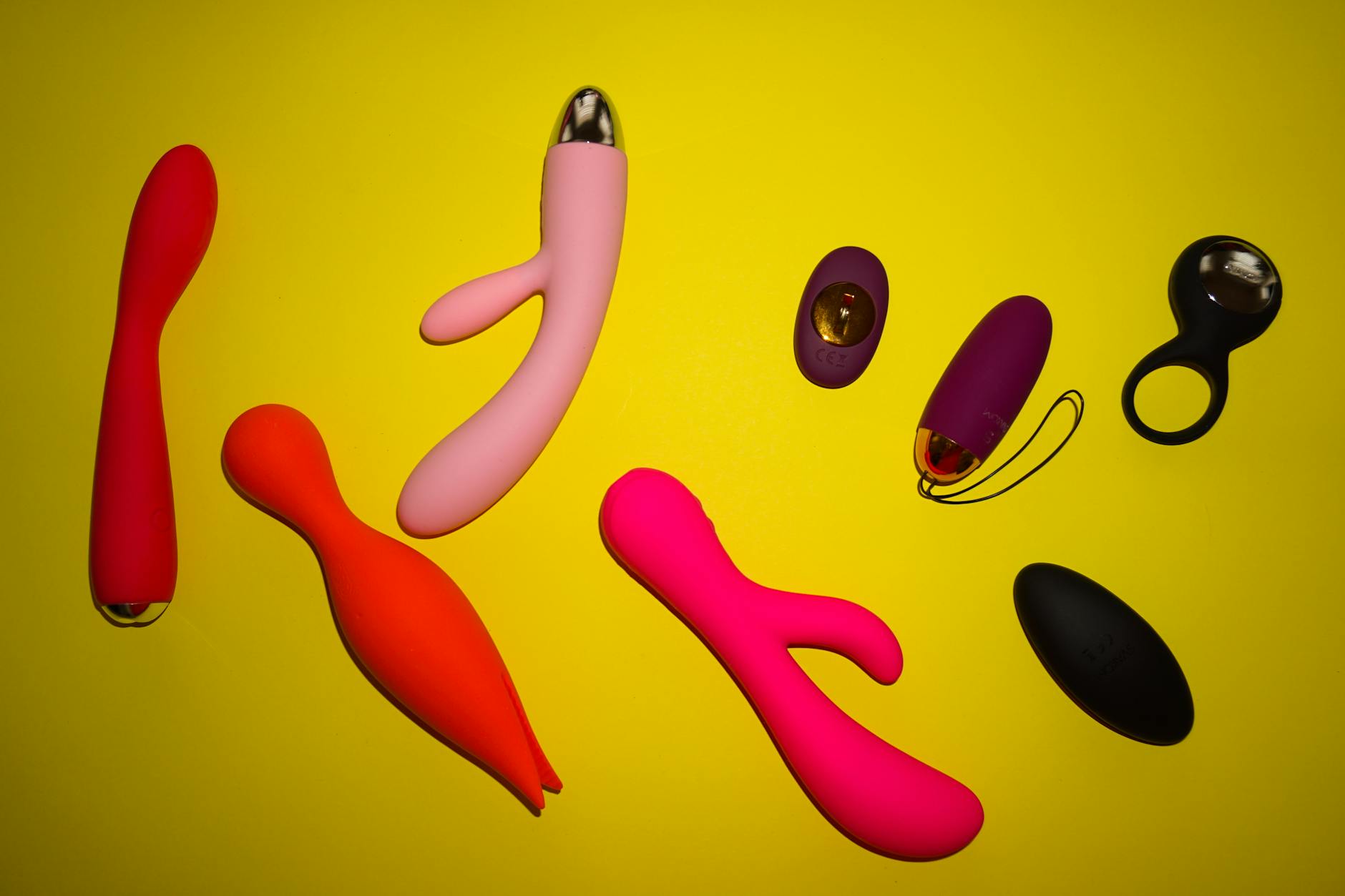
Photo by FounderTips on Pexels
The physical reentry playbook
Let's talk about the actual mechanics of coming back. Your body hasn't forgotten, but it has gotten shy.
Start with zero expectations. The goal is not orgasm. The goal is sensation. Maybe you touch yourself and feel nothing. That's information, not failure. Your nervous system is still in protective mode.
Create a space that feels safe, not seductive. Light some candles if that helps, but honestly, clean sheets and a locked door are enough. You're not performing for anyone. You're just remembering what your skin feels like.
Warm up slowly. Spend time on your whole body before you touch your clitoris. Hands on your breasts. A bath. Touching your inner thighs. Give your nervous system time to register that nothing dangerous is happening.
Use plenty of lube, even if you think you don't need it. Extended time away from sexual activity can reduce natural lubrication. It's not a sign that something's wrong. It's just what happens. Water-based lubricant means zero friction surprise. Comfort changes everything.
Start the lemon vibrator on the lowest setting. Not because you'll feel nothing. Because you need to reacquaint yourself with the sensation gradually. Spend five minutes here. Ten if you need it. Your clitoris has more nerve endings than you probably remember. Let it wake up on its own schedule.
The mental-emotional part (it's not optional)
Here's what nobody tells you about coming back to sex: the physical sensation is maybe forty percent of what you're processing. The other sixty is happening in your head.
You might feel a surge of shame. That's old programming. Your nervous system learned to associate sex with something. Maybe obligation. Maybe pain. Maybe loss. You have to name that thought and let it pass through without grabbing it.
You might feel grief. Sometimes restarting your sex life means acknowledging that a chapter ended. A relationship. A version of yourself. That grief is legitimate. It doesn't mean you should stop.
You might feel nothing at all and panic. This is normal. Numbness is a common response when you're stressed or anxious. Continuing to explore without expectation often thaws it out. But sometimes it doesn't happen as fast as you want.
All of this is okay. The point is not to bypass these feelings. It's to move through them with self-compassion.
If you have a partner, this is a two-person conversation
If you're coming back to sex with someone, they need to understand something: this isn't about them. Your hesitation, your slowness, your need to explore alone first. None of it is a referendum on them or the relationship.
The best thing a partner can do is step back. Let you take the lead. Ask what you need instead of guessing. And understand that your sexual reconnection might look completely different from your sexual past.
You might want to explore solo for weeks before inviting them in. You might want to use a lemon vibrator together but with you holding it, controlling the pace. You might want to start with non-sexual touch and rebuild from there.
There's no map for this. The map is something you write together.
When it's time to bring a partner in
You'll feel a shift. Not a dramatic one. Just a moment when the idea of being touched by someone else stops feeling threatening and starts feeling interesting.
That's when you can invite a partner to watch. Or to touch you while you use your lemon vibrator. Or to talk with you about what you're discovering about yourself.
The advantage of a clitoral vibrator in couple's exploration is that you maintain control. You're not depending on a partner's technique or rhythm. You can focus on sensation and connection without the pressure to perform or respond.
What to expect in the first month
Week one: You might feel awkward. Your body might not respond the way you remember. That's fine. You're getting reacquainted.
Week two: Sensation might start coming back. You'll notice pleasure in places you forgot about. Your orgasm might feel different, slower, or weaker than you remember. Celebrate that anyway.
Week three to four: You might start to feel less anxiety around the whole thing. The shame might loosen its grip. Your body might start asking for more.
Some people experience an increase in desire as they rebuild. Others find their baseline is just different now. Both are normal. Neither means something's wrong.
The things that commonly derail reentry
You're doing great until suddenly you're not. You have a moment of pleasure and then the anxiety floods back. Or you feel guilty. Or you remember why you stopped in the first place.
This is not failure. This is your nervous system still learning that pleasure is safe.
When this happens, pause. Don't push through. Your body is trying to tell you something. Maybe you need more time. Maybe you need a different environment. Maybe you need to talk to a therapist about what's underneath the resistance.
All of those are valid. Reentry isn't linear. It's cyclical. You go forward, you sometimes go back, and that's how healing works.
Rebuilding confidence is the real goal
Using a lemon vibrator when you're coming back to sex isn't about the orgasm. It's about this: your body is still yours. Your pleasure still matters. You haven't broken something irreversible.
Each time you show up for yourself, even when it feels awkward, you're sending your nervous system a message. You're safe. You're worth this time. Your desire matters, even if it looks different now than it used to.
That's the real work. And that's where transformation starts.
FAQ: Your questions answered
Is it normal to feel nothing the first time back?
Completely normal. Your body has been in protective mode. Numbness is a common response to extended sexual inactivity, especially if there was stress or trauma involved. Continuing to explore gently, without pressure, usually helps sensation return over weeks or months. If it persists beyond three months or causes significant distress, talking to a therapist or doctor is worth it.
How long should I wait before involving a partner?
There's no timeline. Some people need weeks of solo exploration. Others feel ready after a few days. The key is that you feel ready, not that you think you should be ready. If your partner is pressuring you, that's a different conversation worth having.
What if my partner wants to have sex and I'm not there yet?
That's a conversation, not a problem to solve alone. You might say: "I'm working on coming back to this. I need you to move at my pace." A partner who loves you will adjust. A partner who won't is showing you something important about the relationship.
Can a lemon vibrator help if I'm coming back after trauma?
Sometimes, yes. The gentleness of suction-based stimulation feels safer to nervous systems that have been through trauma. But healing from sexual trauma usually benefits from professional support too. Consider working with a trauma-informed therapist alongside your exploration. Nancy Lem Shop can't replace that work, but it can support it.
What if I realize I don't actually want sex anymore?
That's also valid information. Some people come back to pleasure and discover they don't miss it. That doesn't mean you're broken. It means your relationship to sexuality has evolved. You get to decide what that looks like.
Should I feel embarrassed about needing a vibrator to get back?
No. A lemon clitoral vibrator is a tool that removes pressure and creates safety. Using tools isn't cheating or lazy. It's smart. Your pleasure matters enough to use whatever helps you access it.
You've been away. You're coming back. That takes courage. Use whatever you need to make that journey easier.